
01 / TRAINING TIME
Less time away from work
- Classroom
- 120 min
- E-learning
- 45 min
- Virtual reality
- 29 min
VR course time excludes about 10 minutes of first-use headset setup.
PwC soft skills training study, 2020 ↗ VR safety training
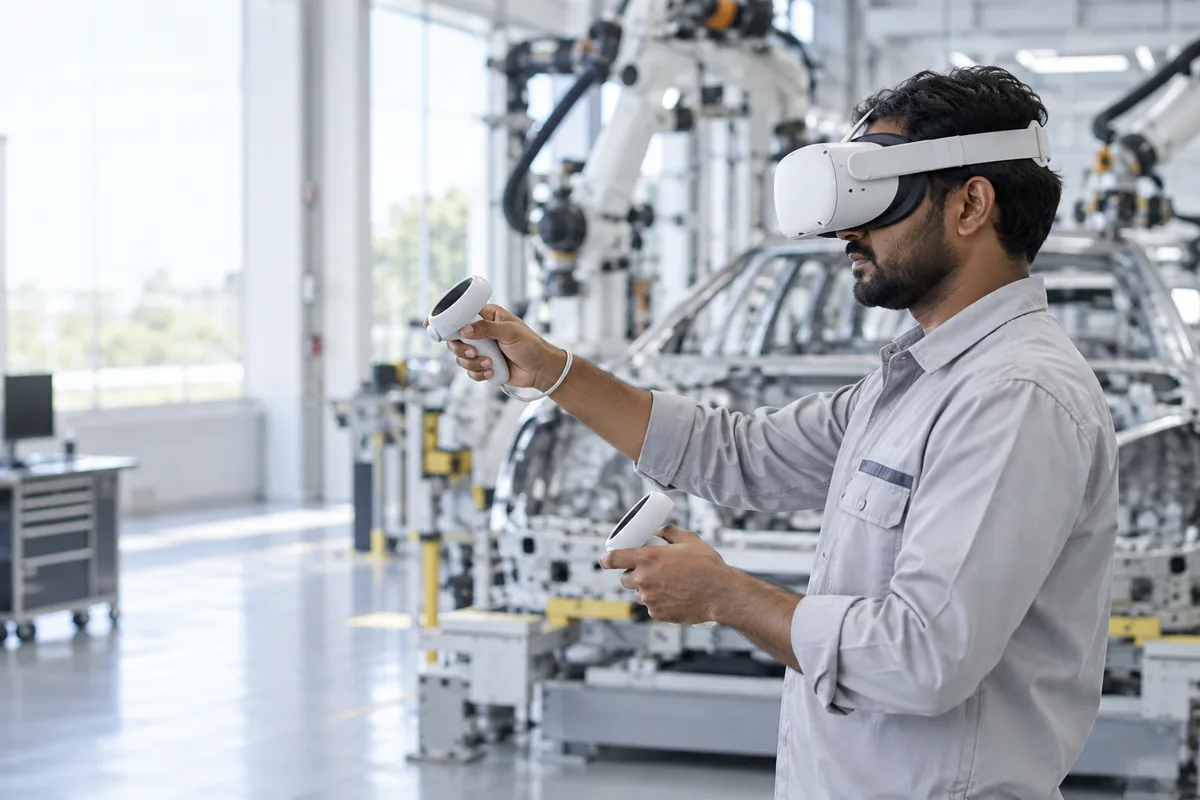
We build VR training that lets workers practise tasks and spot hazards before using real equipment. We also build AR guides that show workers what to do, step by step, on the job.
Train your workforce. Protect people and machines.
Reduce costs. Increase productivity.
Practical solutions.
Built for your business.
WHO WE WORK WITH
See what we built  See what we built



VRELAB XR SOLUTIONS
Help people learn through practice, explore products in 3D and understand complex information.
Put on a headset to follow instructions, handle virtual equipment and practise decisions. Repeat the task and review mistakes before supervised work in the real setting.
Discuss VR training01 / TRAINING TIME
VR course time excludes about 10 minutes of first-use headset setup.
PwC soft skills training study, 2020 ↗02 / KNOWLEDGE RETENTION
52 papers reviewed
A review spanning industries including construction, aviation and mining found that VR safety training improved knowledge retention compared with traditional methods.
Safety Science review, 2024 ↗03 / COST AT SCALE
375 learners
In PwC’s cost model for its soft skills course, VR matched classroom costs at about 375 learners.
PwC cost comparison, 2020 ↗PUBLISHED EVIDENCE
AGCO reported these improvements at its Jackson factory in 2017 using assisted-reality smart glasses. The results concern that implementation, not a general VR headset benchmark.
Source: AGCO, assisted reality with Glass (2017)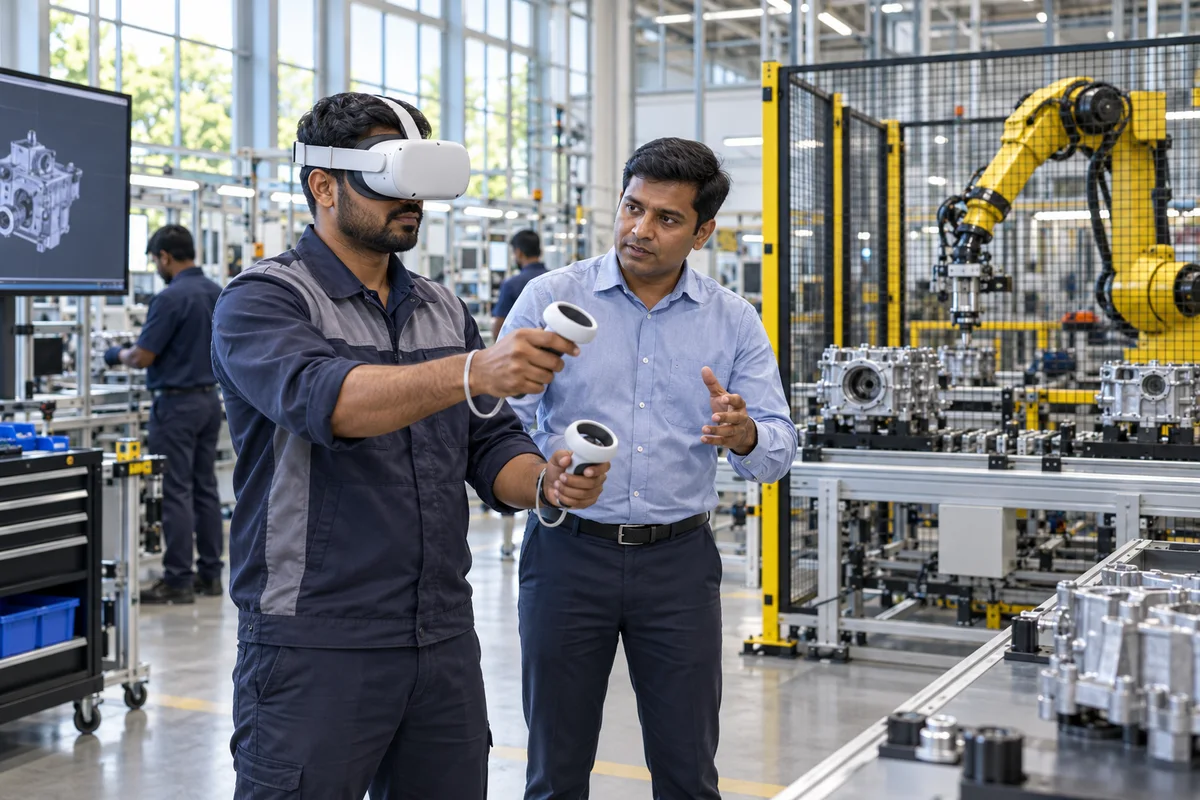
WHERE TO START
Train operators to follow the station sequence and catch missed quality checks before they work on the line.
What to trackPUBLISHED EVIDENCE
BMW Group projected this saving in 2025 from its Virtual Factory programme. This is a digital-factory planning forecast, not a measured VR training result.
Source: BMW Group, Virtual Factory (2025)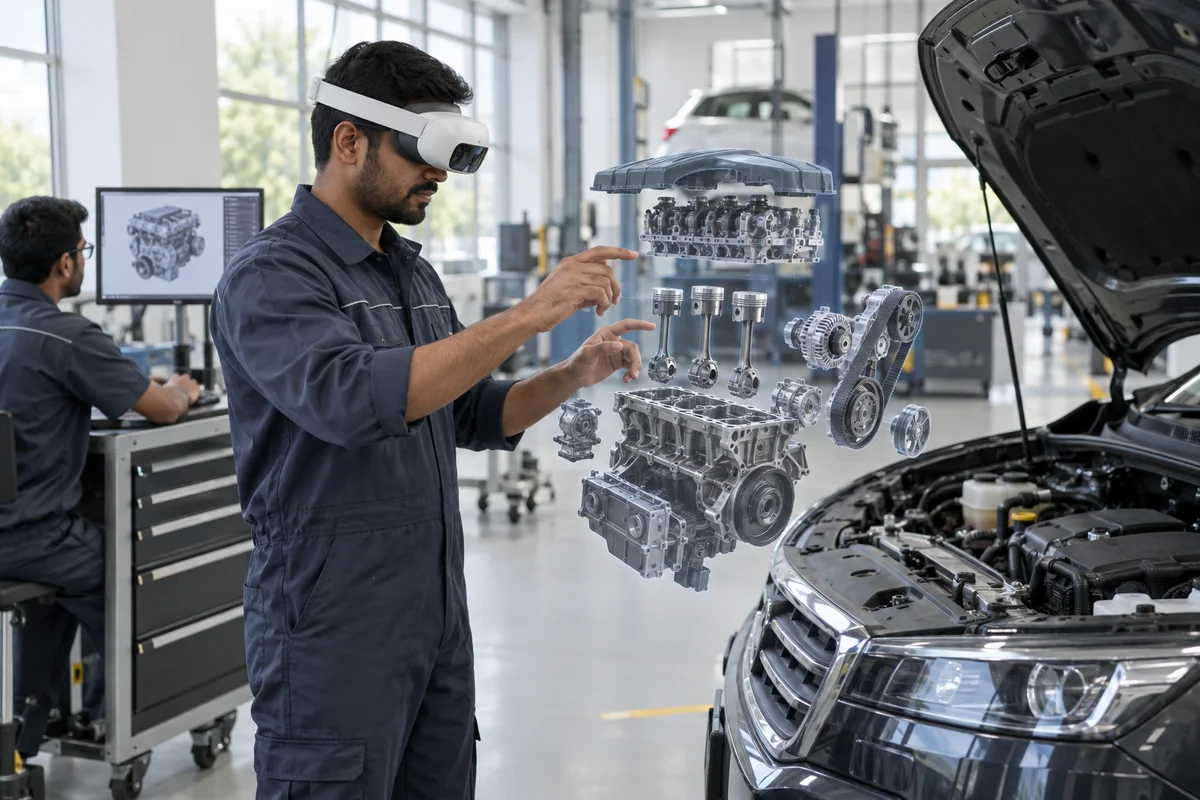
WHERE TO START
Walk technicians through the correct inspection sequence, including fault checks they may rarely see in the workshop.
What to trackPUBLISHED EVIDENCE
Immersive Technologies reports this change for Codelco Radomiro Tomic in Chile. It describes a simulator-based training programme, not a standalone VR headset trial; the case is provider-reported.
Source: Immersive Technologies, training efficiency cases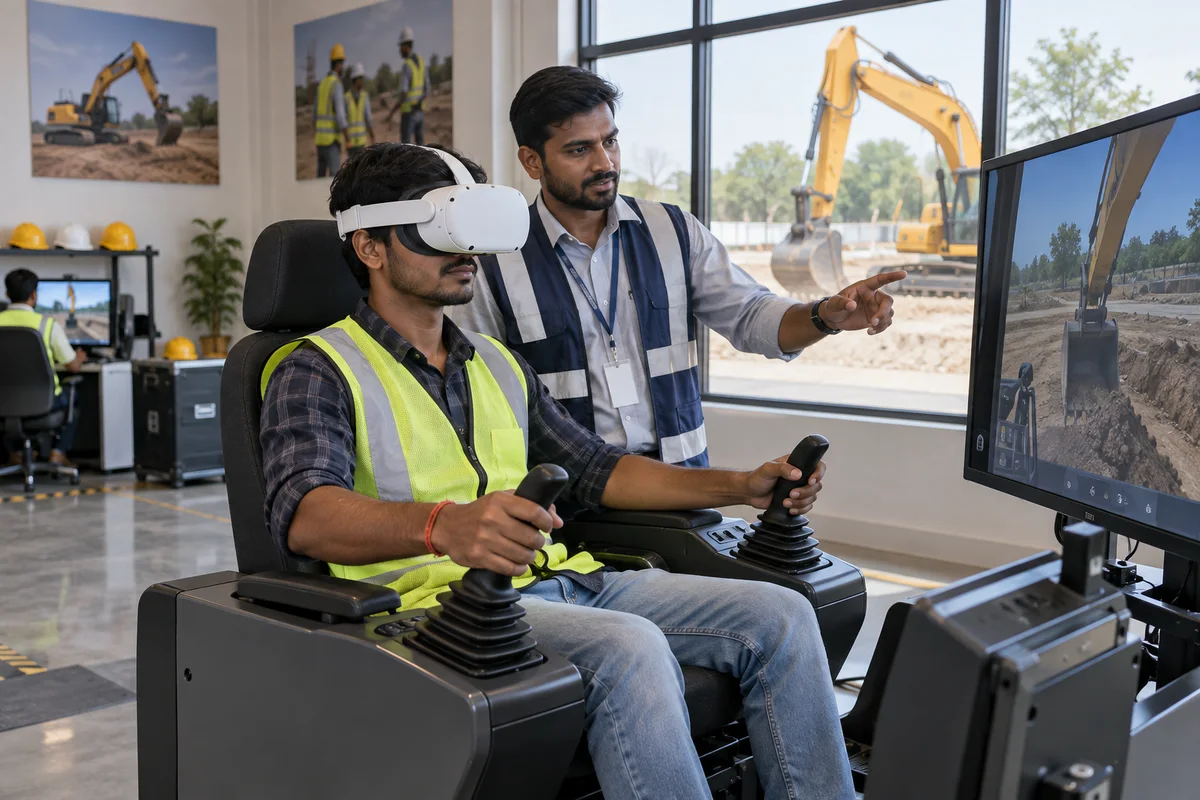
WHERE TO START
Let operators identify faults, blind spots and unsafe start-up conditions before they work on the machine.
What to trackPUBLISHED EVIDENCE
DHL reported this result from its 2015 Ricoh warehouse pilot in the Netherlands. Workers used AR smart glasses for picking guidance; this was an operational workflow trial, not a VR training study.
Source: DHL, warehouse AR pilot (2015)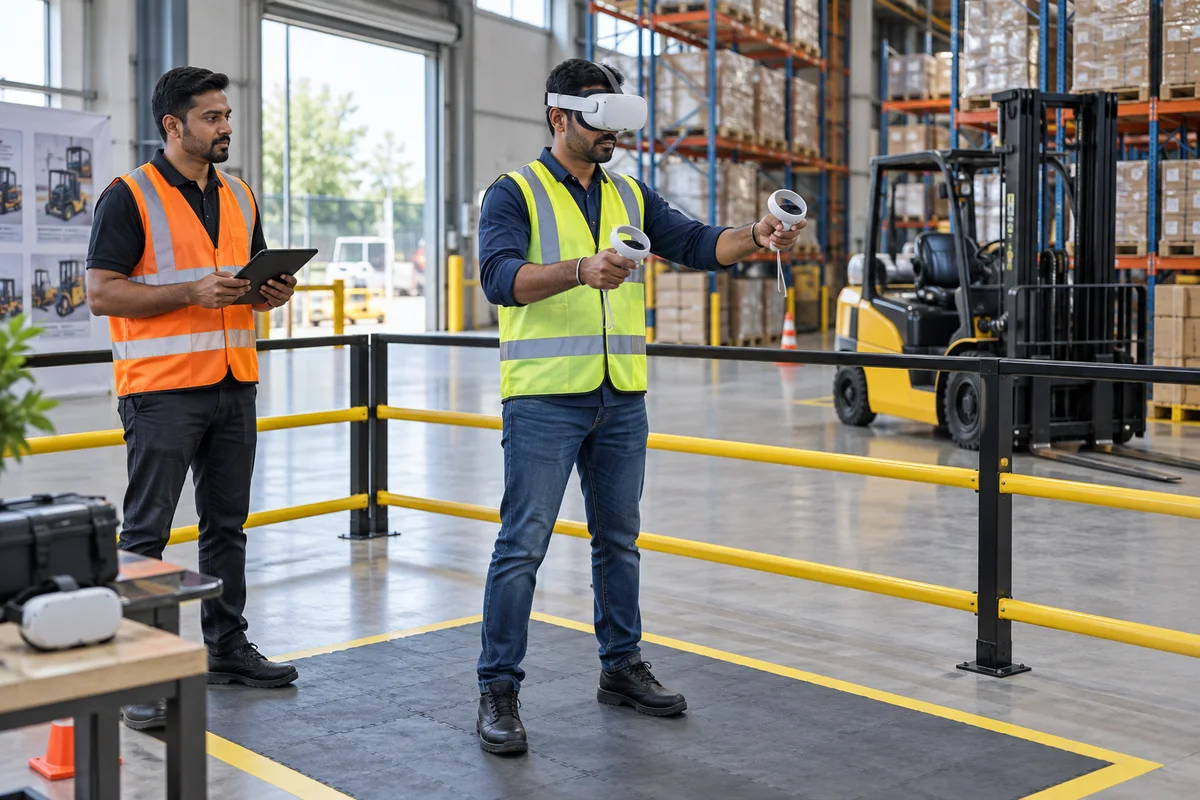
WHERE TO START
Give new starters practice finding the right stock, checking quantities and crossing equipment routes safely.
What to trackPUBLISHED EVIDENCE
Warp VR reports this rate for Brunei Shell Petroleum’s immersive-learning programme. It includes 360-degree scenarios and tablet delivery; it is not a 95% improvement, and the case does not publish a comparison-group result.
Source: Warp VR / Brunei Shell Petroleum, implementation case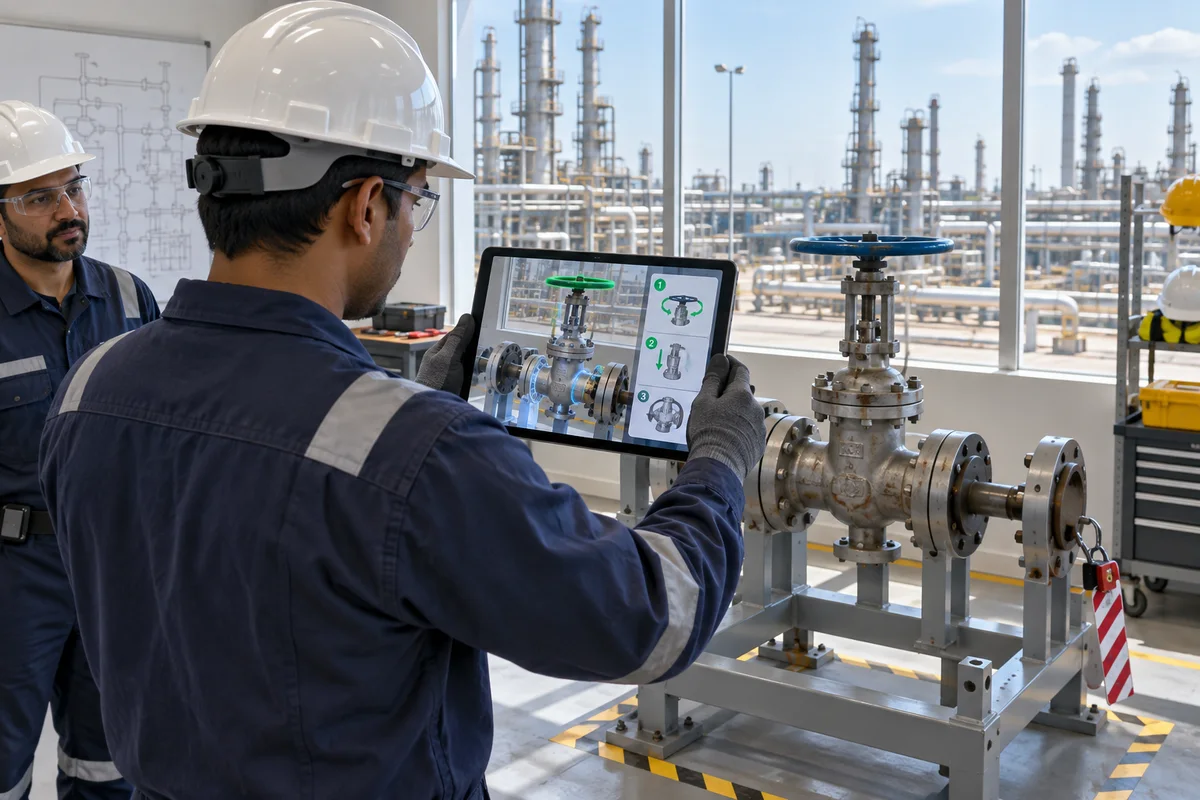
WHERE TO START
Put crews through a simulated alarm and have them choose when to isolate, evacuate or escalate under the site procedure.
What to trackPUBLISHED EVIDENCE
A 2002 randomised study of 16 surgical residents compared proficiency-based VR simulator training with no VR training. The result concerns a specific laparoscopic task and an older surgical simulator; it is not a general claim about patient outcomes.
Source: Seymour et al., Annals of Surgery (2002)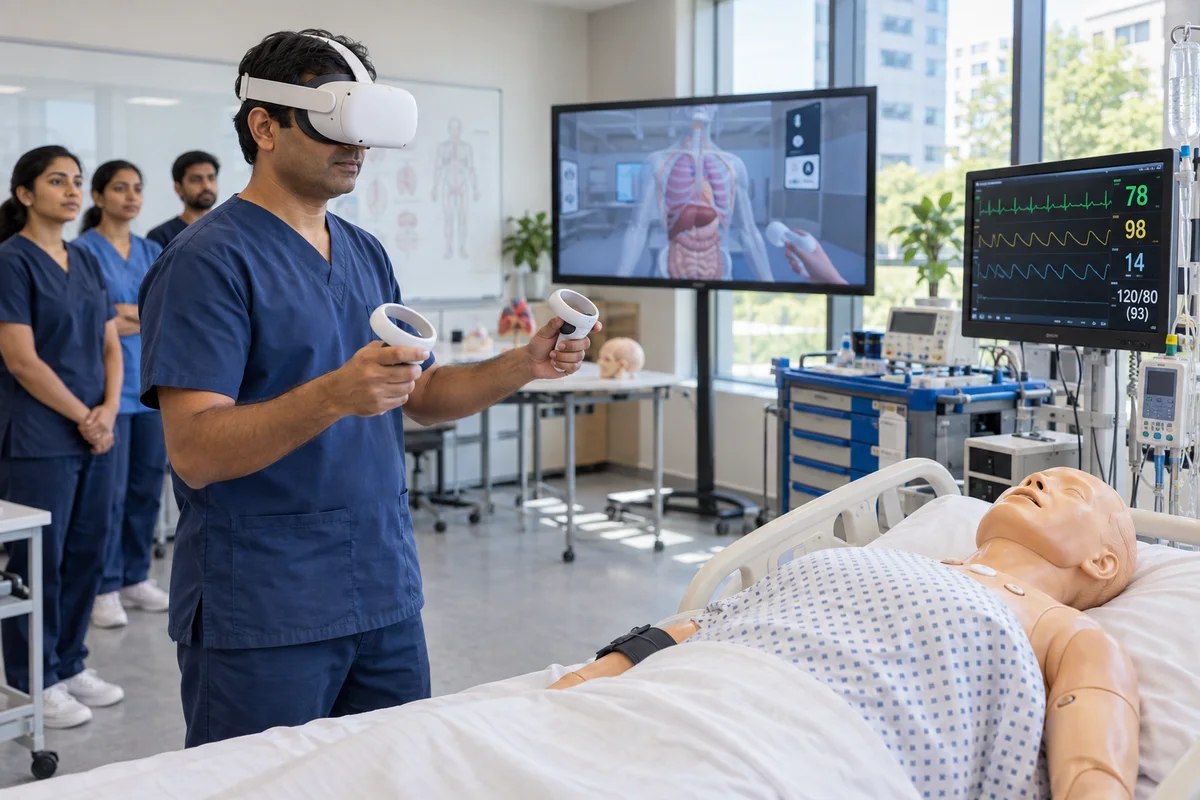
WHERE TO START
Let staff repeat the approved sequence and review missed steps before an instructor assesses them in person.
What to trackPUBLISHED EVIDENCE
A 2026 pilot study compared sterile-preparation retraining in 17 pharmacy students (9 VR, 8 text). Most checklist items did not differ significantly. This is a small educational study, not evidence of better sterility or pharmaceutical factory performance.
Source: Journal of Pharmaceutical Health Care and Sciences (2026)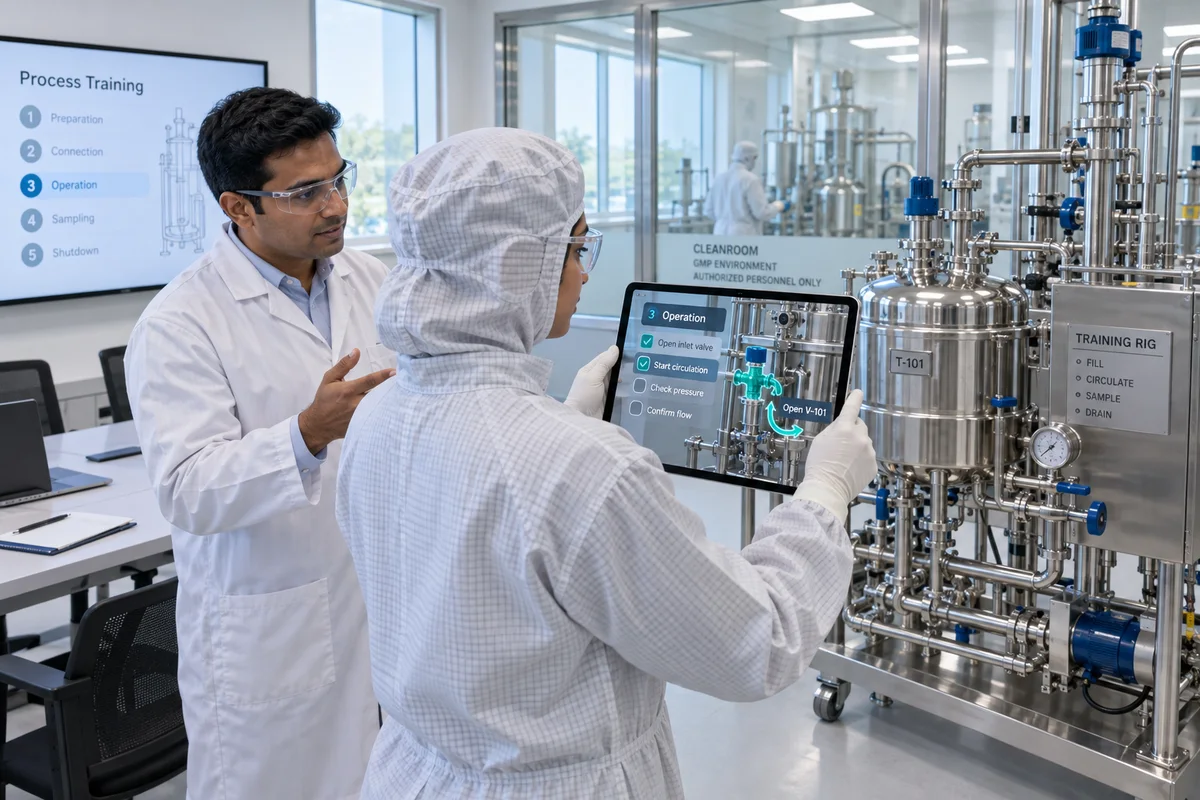
WHERE TO START
Train staff to follow the cleanroom sequence and spot actions that could compromise contamination control.
What to trackPUBLISHED EVIDENCE
A 2021 US Air Force report describes a 29-student trial conducted in 2020, with comparable end-of-course assessments. VR was part of a redesigned training approach, so the time saving cannot be attributed to VR alone.
Source: US Air Force, technical training transformation (2021)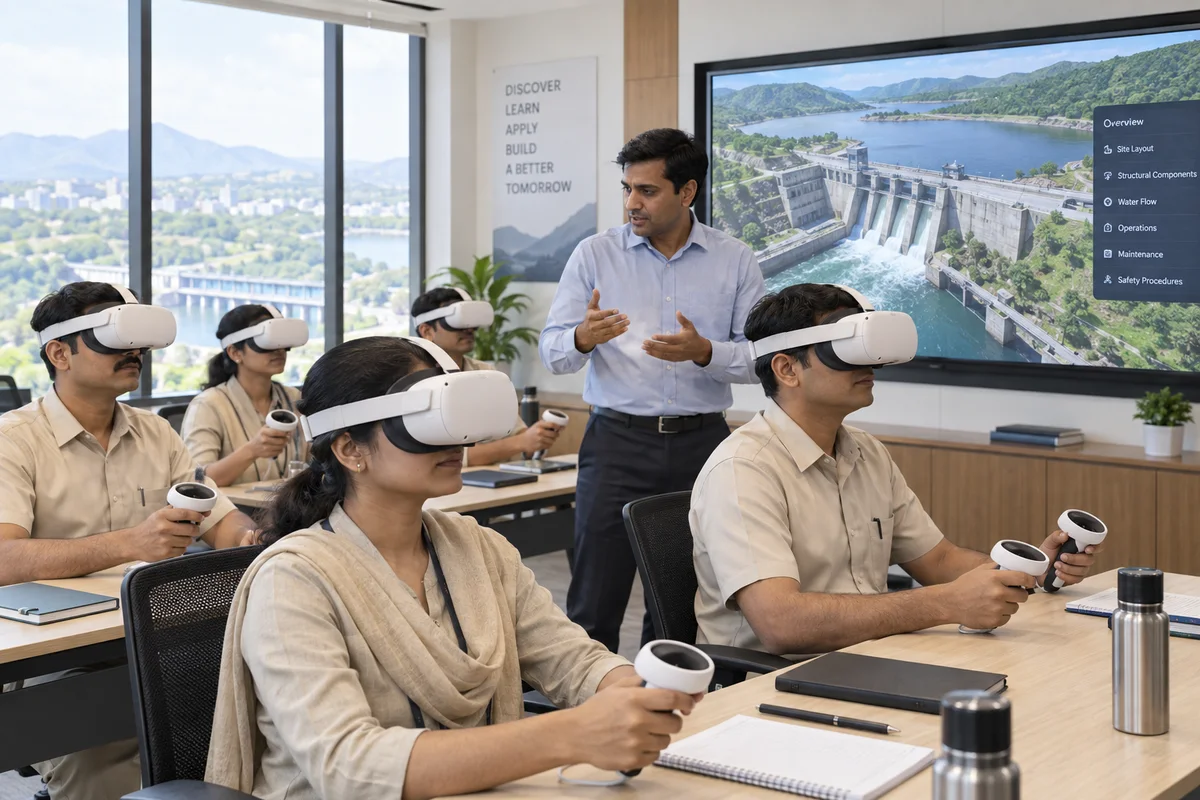
WHERE TO START
Give trainees a way to repeat inspections and fault responses before using operational assets.
What to trackPUBLISHED EVIDENCE
Zillow’s June 2026 US analysis compared listings with 3D Home tours, interactive floor plans and additional listing exposure against similar nearby listings. This is an association for that bundle, not proof that a VR tour alone increases sales.
Source: Zillow 3D Home, data and methodology (2026)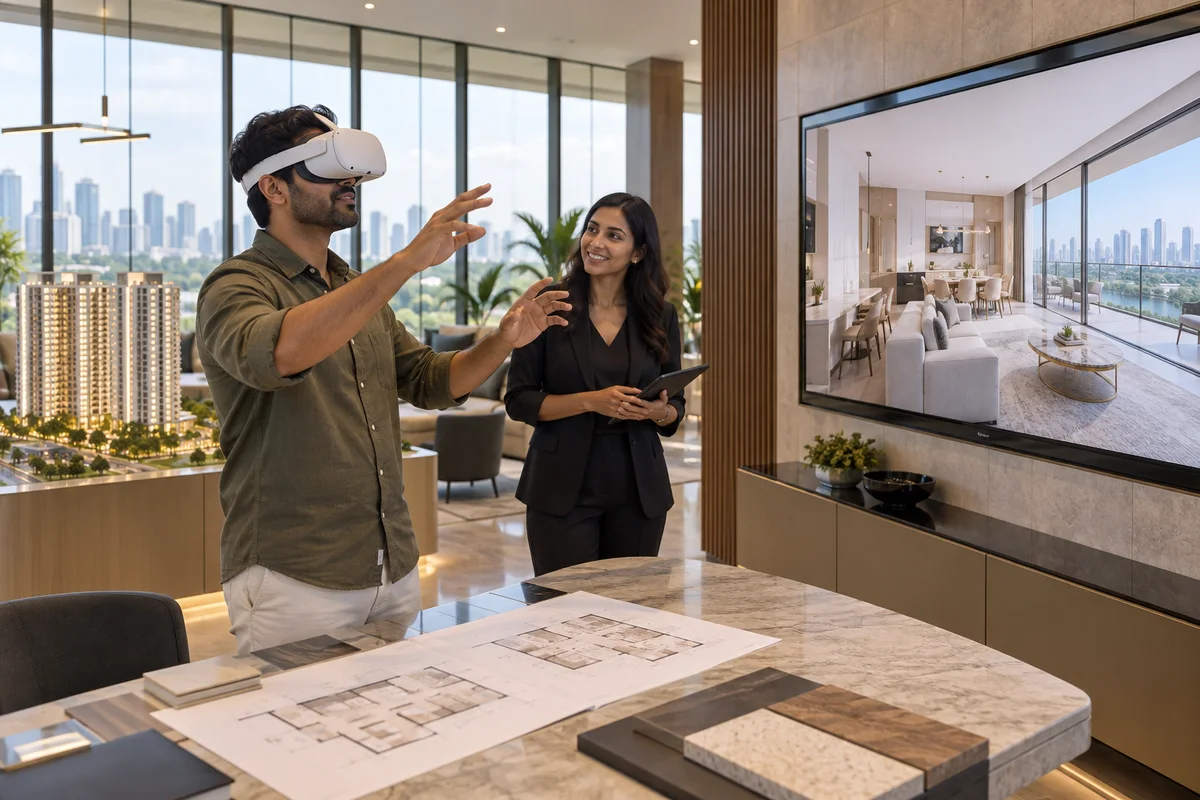
WHERE TO START
Show buyers room layouts, finishes and sightlines through an interactive walkthrough, including units still under construction.
What to trackPUBLISHED EVIDENCE
Walmart reported this improvement in 2018 for its associate VR training programme. It is company-reported training data, not a controlled estimate of faster onboarding or results from Vrelab.
Source: Walmart, associate VR training (2018)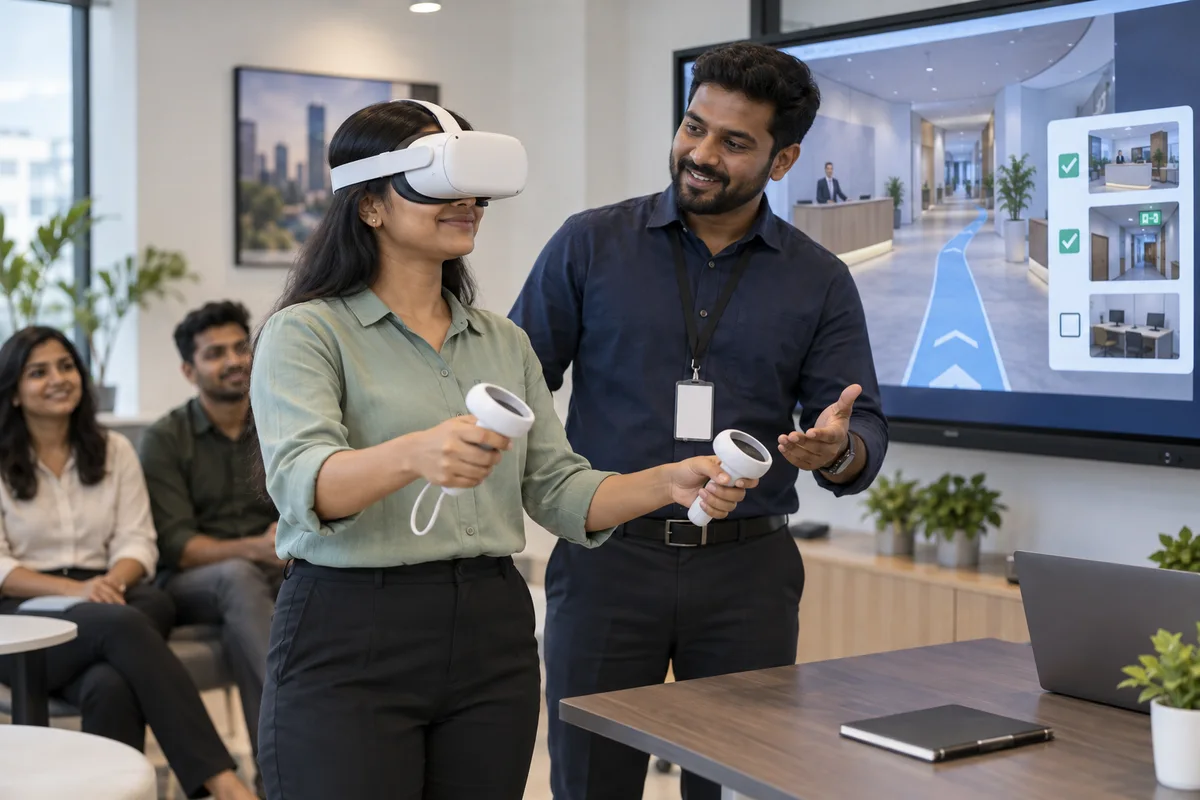
WHERE TO START
Give new starters a repeatable walkthrough of a role, a site or a task before they do it with a supervisor.
What to trackWalmart has used VR to train associates. The U.S. Air Force has used it in technical training.
Tell us which task takes the most trainer time, ties up equipment or is too risky to practise live.
WORK PREVIEWS
Explore Vrelab’s interactive experiences and digital projects.

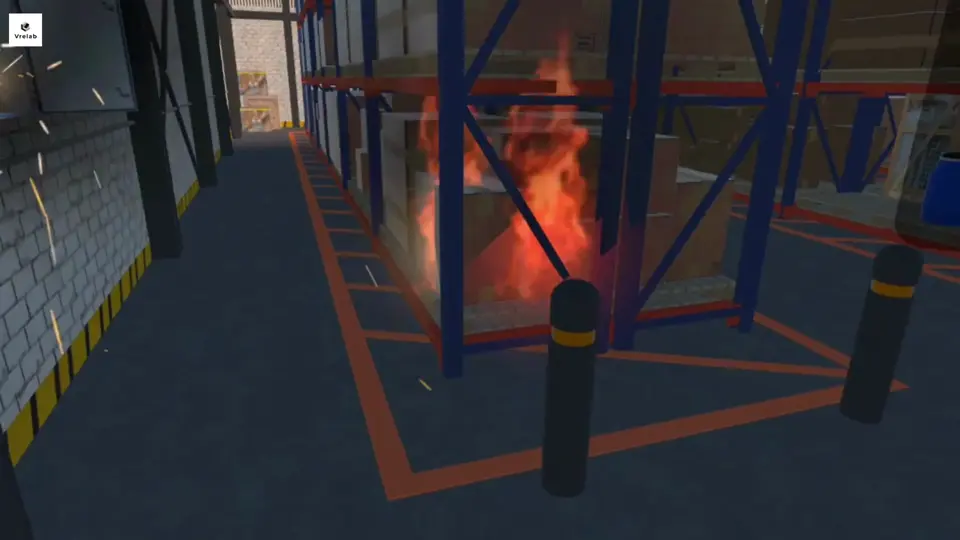
Practise recognising a fire, raising the alarm and responding in a virtual workplace.
Open video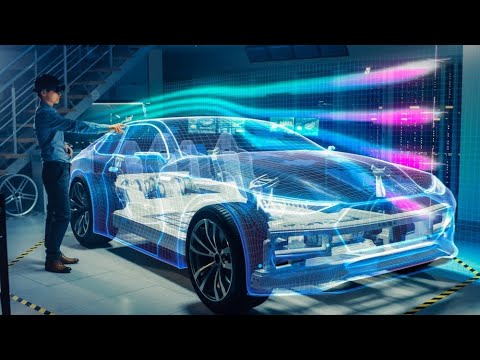
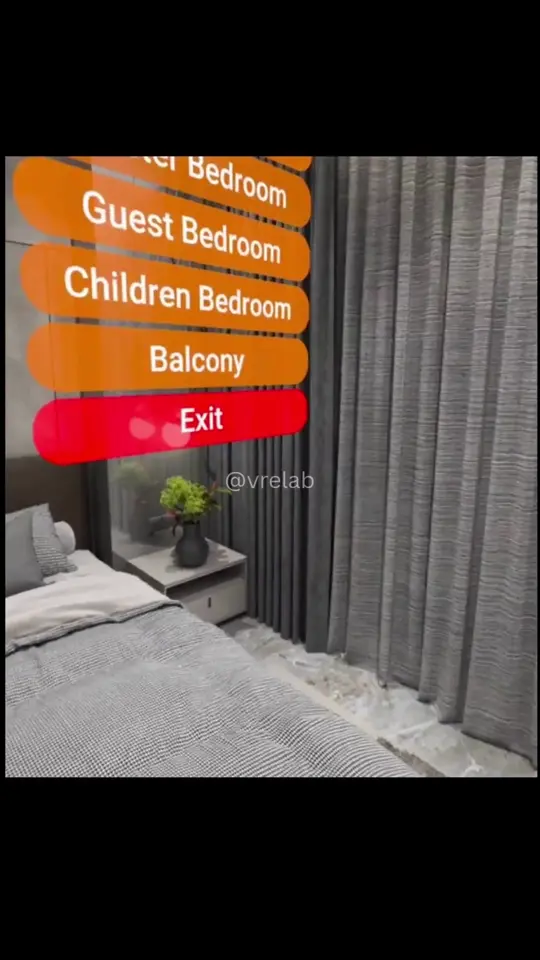
Explore apartment interiors, residential buildings and shared amenities in an interactive 3D environment.
Open video
3D renders and a web VR application for exploring a property.
Watch on YouTube

Hover to preview · Tap to play · Sound off by default
COMMON QUESTIONS
Practical answers to help you choose a useful first project.
We build custom VR and AR training, interactive simulations and 3D experiences around a company’s people, equipment and workflows.
Use VR when someone needs to practise in a fully simulated setting, especially before exposure to a live hazard or costly equipment. Use AR when guidance needs to appear alongside the real environment.
No. It prepares learners for instructor-led practice, reinforces decisions and helps trainers see where more coaching is needed. Required practical assessment stays in place.
No. We can select the use case first, then plan suitable devices, a safe training area, hygiene, support and any screen-based access that the project needs.
Yes. We work from your approved references and ask subject experts to review the model, interactions and feedback before rollout.
Start with one role and one task. Agree what good performance looks like, test with a small group, then review missed steps, learner feedback, trainer observations and operational measures.
Those are possible goals, not automatic results. The outcome depends on the scenario, training design and rollout. We recommend measuring a pilot against your current approach before making a wider claim.
Vrelab is based in Chennai, Tamil Nadu. We develop VR training, AR applications and interactive 3D for businesses in Tamil Nadu and across India. Our company name is VRELAB LLP.
Explore our 11th Finger safety awareness module for Caterpillar and vehicle-systems VR demonstration for CAPCP. Each project page shows the application and explains what it helps the team do.
The scope of the task, 3D assets, interactions, supported devices and reporting requirements. Share your procedure, audience and intended use so we can define the deliverables and quote the work.
CONTACT US
Tell us about your team, the task you want to improve and the experience you have in mind.